Avoid common mistakes while cooking beef. Learn how to choose the right cut, marinate properly, and cook beef to make it tender and flavorful.
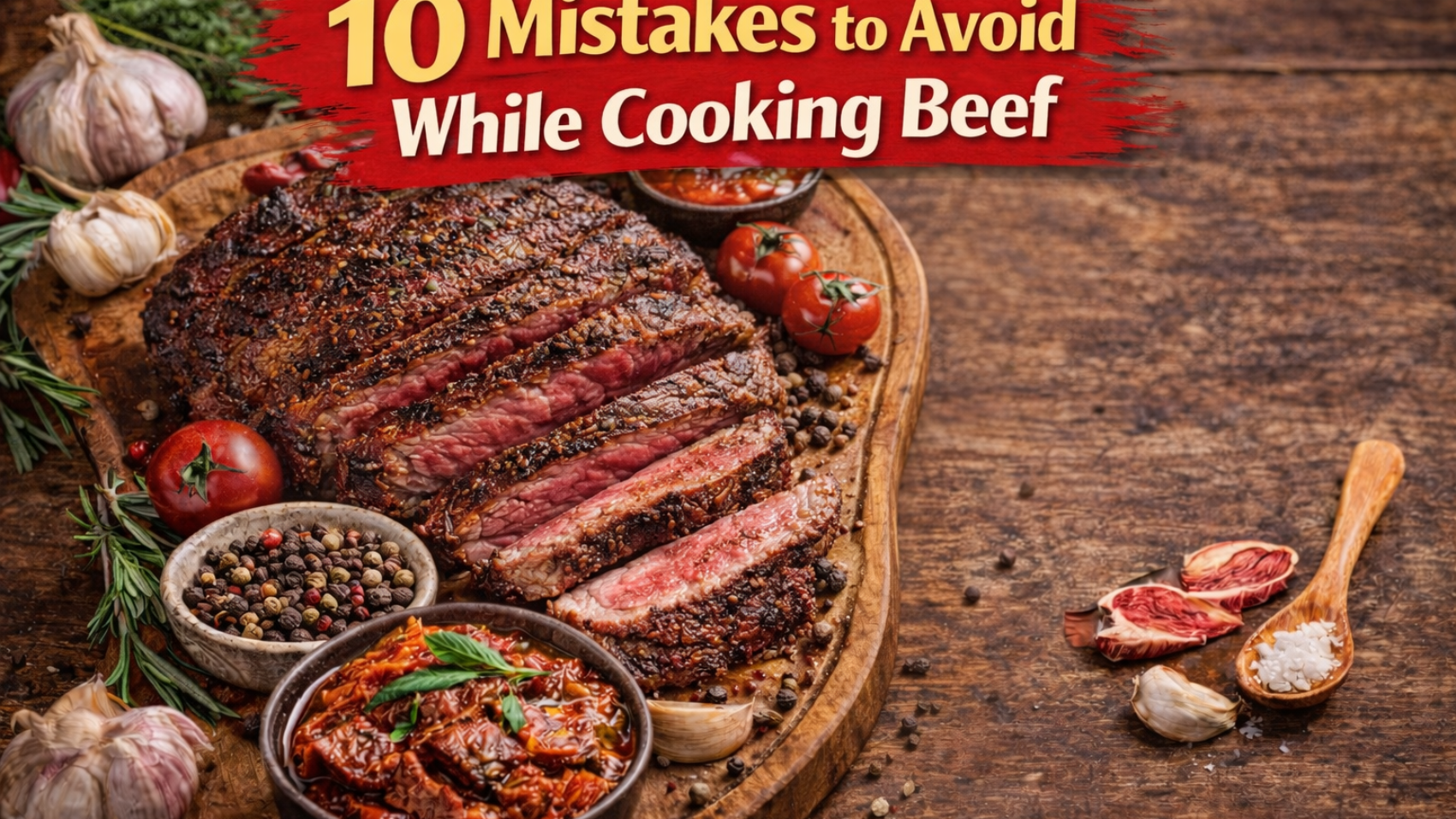
Avoid common mistakes while cooking beef. Learn how to choose the right cut, marinate properly, and cook beef to make it tender and flavorful.
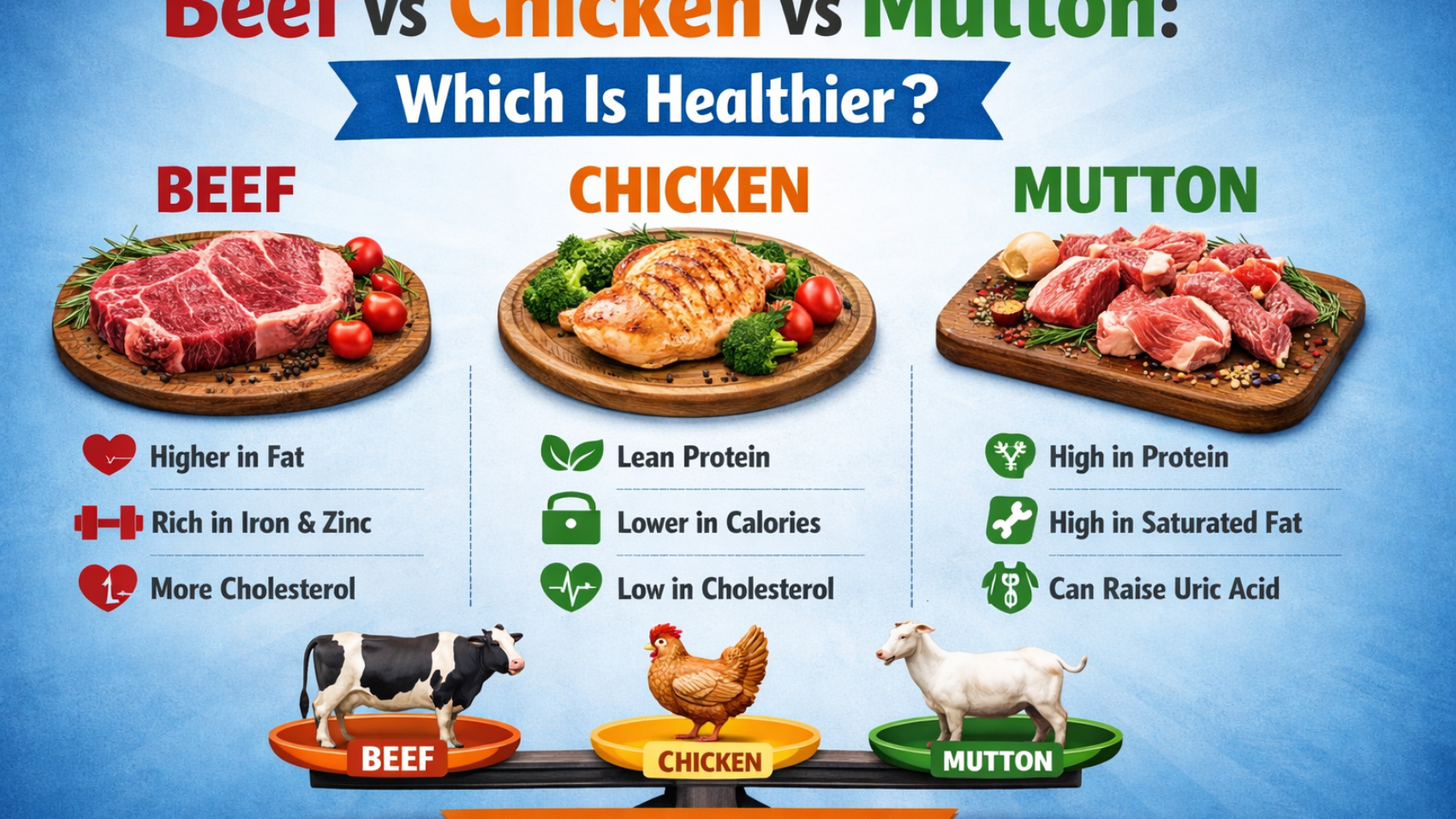
Choosing the right meat is an important part of maintaining a healthy and balanced diet. In India, beef, chicken, and mutton are among the most commonly consumed meats. Each offers unique nutritional benefits, and the healthiest choice depends on your dietary goals, lifestyle, and health needs.
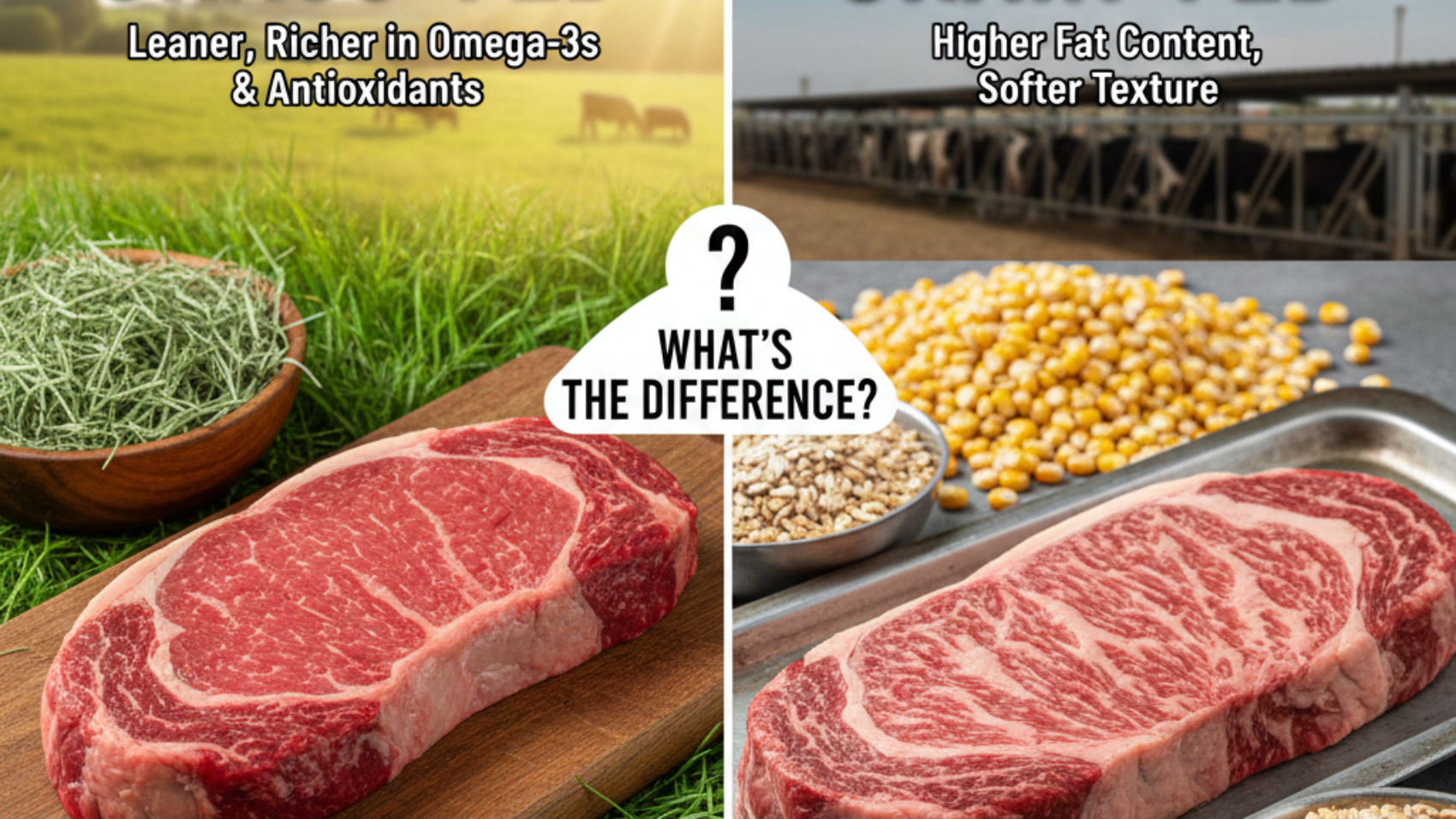
Learn the difference between grass-fed and grain-fed beef. Compare nutrition, taste, health benefits, and which type of beef is better for you.

Discover the health benefits of including beef in your diet. Learn how beef supports muscle growth, iron levels, energy, and overall nutrition.
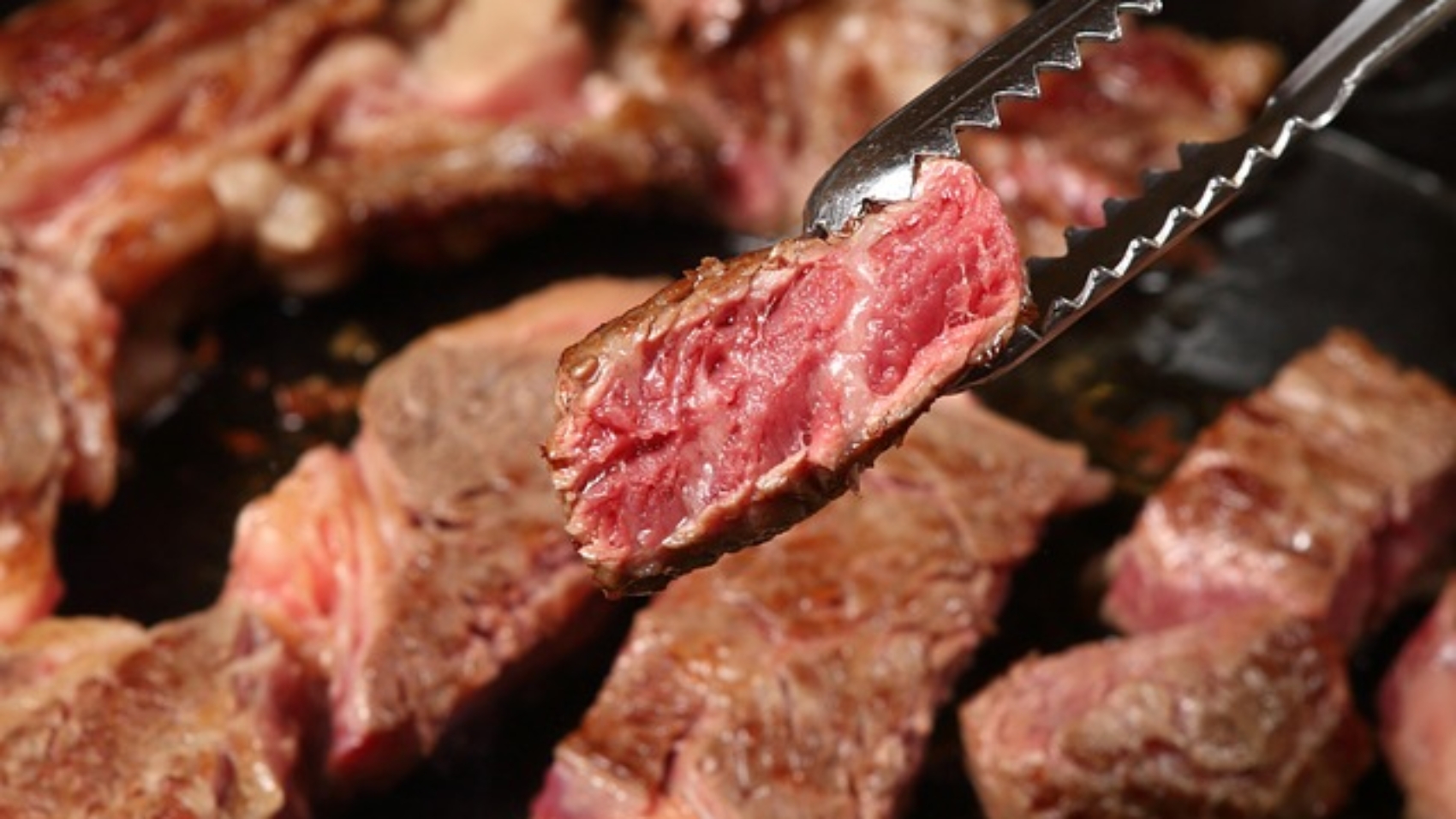
Eating beef provides high-quality protein, iron, and essential vitamins that support muscle growth, energy levels, and overall health when consumed in moderation.
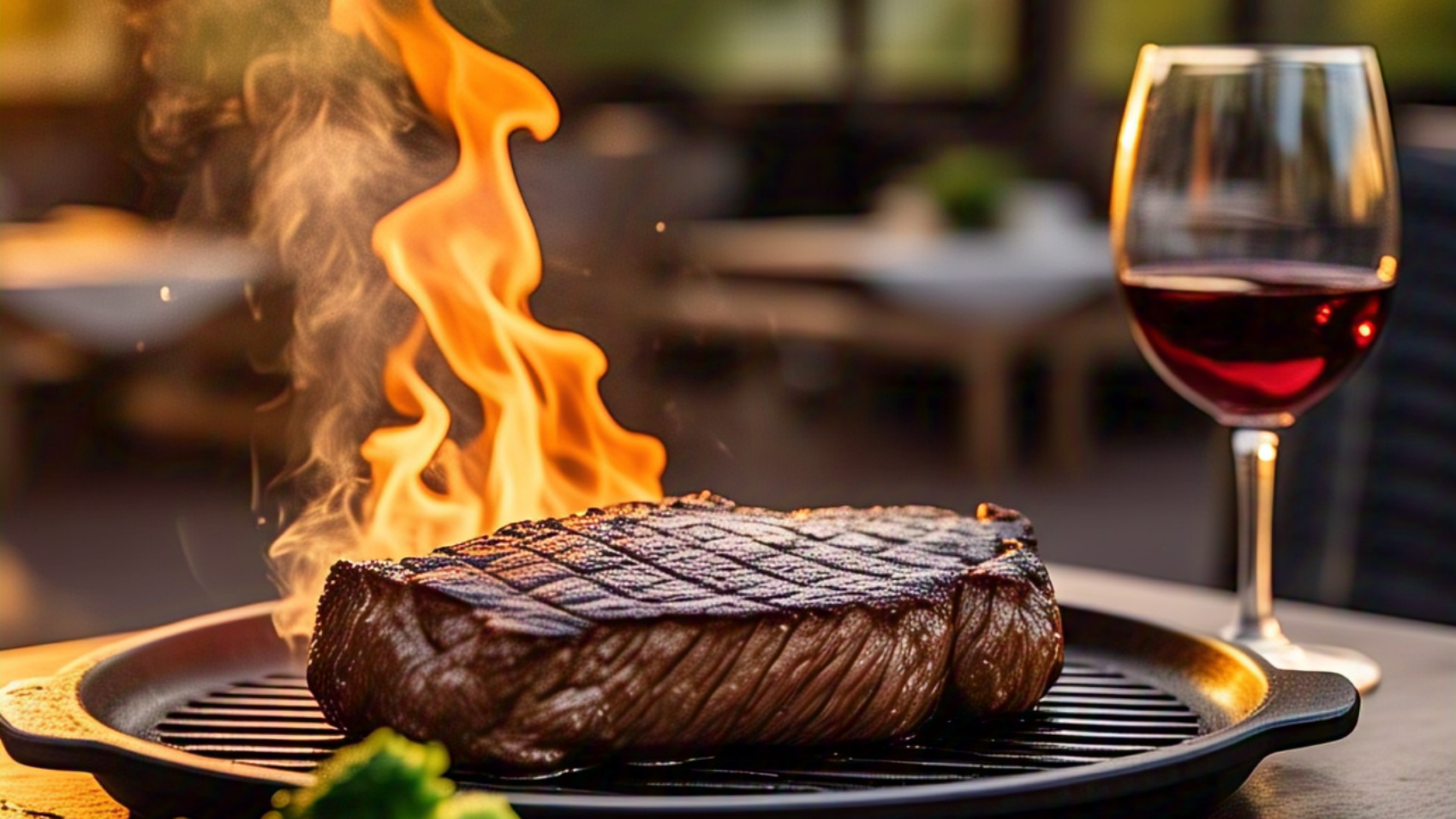
Beef has been a staple in human diets for centuries, providing essential nutrients that contribute to overall health and well-being. Whether grilled, roasted, or stewed, beef is not only delicious but also offers numerous health benefits. Here’s a closer look at why incorporating beef into your diet can be beneficial.
Protein is essential for muscle growth, repair, and overall body function. Beef is a complete protein, meaning it contains all nine essential amino acids that the body needs to function properly. A single serving of beef can help support muscle development, making it a popular choice for athletes and fitness enthusiasts.
Beef is packed with important vitamins and minerals that play a crucial role in maintaining good health. Some of the key nutrients found in beef include:
For those looking to build or maintain muscle mass, beef is an excellent dietary choice. The high protein content, combined with amino acids such as leucine, helps stimulate muscle protein synthesis and prevents muscle loss, especially in older adults.
Zinc and iron, both abundant in beef, contribute to a stronger immune system. Iron also helps prevent fatigue by ensuring oxygen reaches all parts of the body, keeping energy levels high throughout the day.
The B vitamins in beef, especially vitamin B12, are essential for cognitive function and mental clarity. A diet rich in B vitamins can help reduce the risk of neurological disorders and improve overall brain health.
While excessive consumption of red meat has been linked to heart issues, lean cuts of beef can be part of a heart-healthy diet. Choosing grass-fed beef, which contains more omega-3 fatty acids and less saturated fat, can provide cardiovascular benefits.
For the best quality beef, you can order fresh beef from Beefing.in. Enjoy premium cuts delivered straight to your doorstep.
Beef is a powerhouse of essential nutrients that support muscle growth, brain health, immune function, and overall vitality. When consumed in moderation and prepared in a healthy way, it can be a valuable addition to a balanced diet. So, whether you enjoy a hearty steak or a lean ground beef dish, savor the benefits that beef has to offer!

Beef is one of the most versatile and widely consumed meats worldwide. It comes in various cuts, each with its own texture, flavor, and cooking method. Understanding the different types of beef meat can help you make the best choice for your dishes. Let’s explore some popular beef cuts and their uses.
Ribeye is one of the most flavorful and tender cuts, known for its rich marbling. It is best cooked on a grill or pan-seared to enhance its natural juiciness. Perfect for steak lovers!
Sirloin is a balance between tenderness and flavor. It’s leaner than ribeye but still juicy when cooked right. Sirloin steaks are great for grilling, broiling, or stir-frying.
Tenderloin is the most tender cut of beef, with a mild flavor. It is often cut into filet mignon steaks and cooked quickly over high heat, usually grilled or pan-seared.
These cuts feature both tenderloin and strip steak, divided by a T-shaped bone. They are excellent for grilling and offer a mix of tenderness and beefy flavor.
Brisket is a tough cut that becomes incredibly tender when slow-cooked. It is commonly used for smoking, braising, or slow-roasting, making it ideal for barbecue and stews.
Chuck is a well-marbled, flavorful cut typically used for ground beef, stews, or pot roasts. It benefits from slow cooking methods like braising or pressure cooking.
Flank steak is lean and fibrous, best suited for marinating before grilling or broiling. It is commonly used in fajitas, stir-fries, and salads.
Short ribs are rich and meaty, perfect for slow cooking. Braising or slow-roasting brings out their deep, savory flavor.
Shank is a tough cut that shines in slow-cooked dishes like soups and stews. It is often used in making beef stock or osso buco.
Ground beef is incredibly versatile and used in various dishes, from burgers to meatballs, tacos, and pasta sauces. The fat content can vary, affecting juiciness and flavor.
If you’re looking for premium beef cuts, check out Beefing.in, a trusted source for high-quality beef products. Whether you want steaks, roasts, or ground beef, they offer a wide selection to suit your cooking needs.
Each cut of beef has its unique qualities and ideal cooking methods. Whether you prefer a juicy ribeye steak or a slow-cooked brisket, knowing your cuts can elevate your culinary skills. Next time you’re shopping for beef, choose wisely to enhance your cooking experience!