

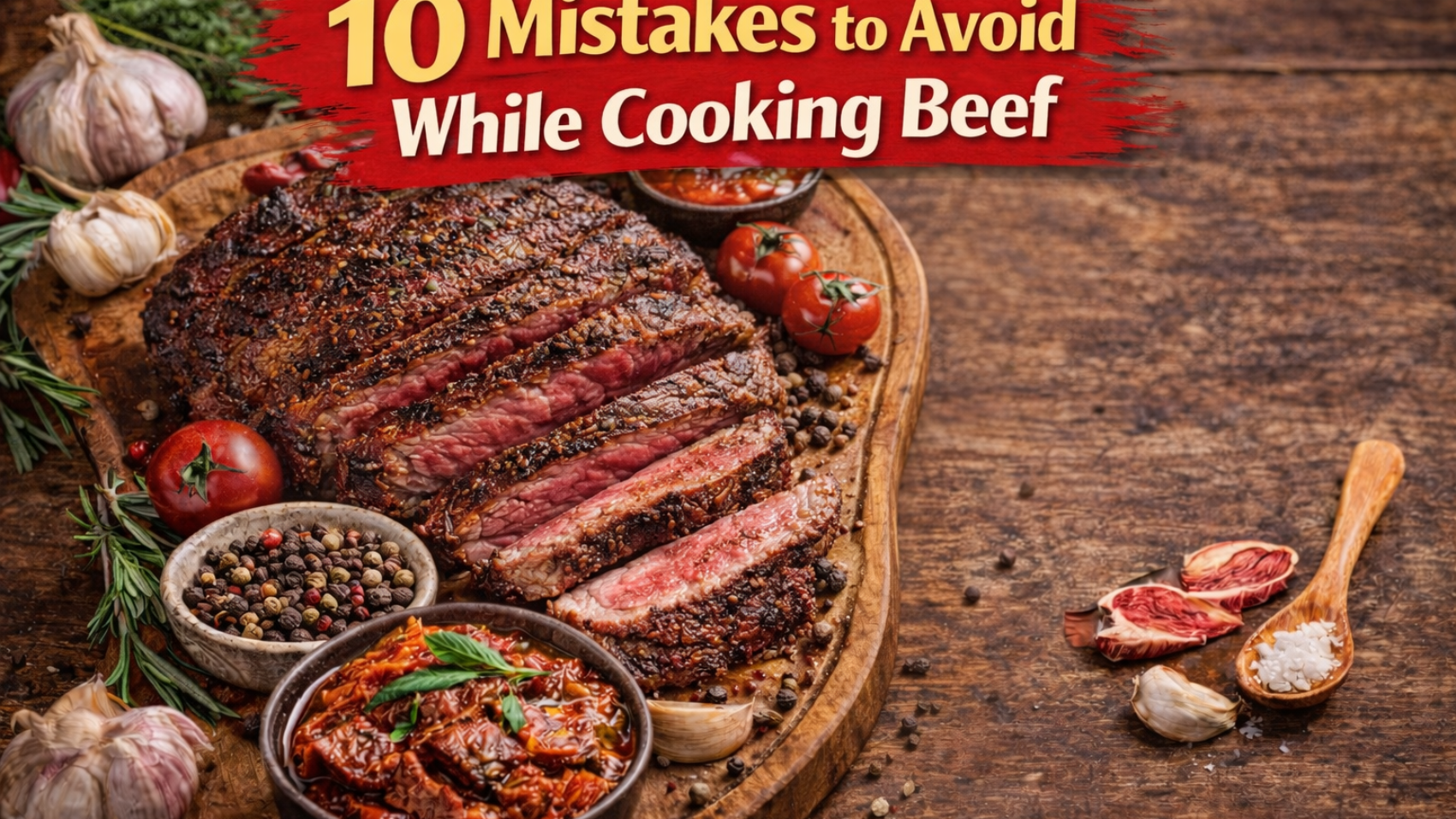
Cooking beef the right way starts long before it reaches the pan. Even the best recipes can fail if common mistakes are made during preparation or cooking. From choosing the right cut to ensuring freshness, small details play a big role in getting tender, juicy, and flavorful beef dishes.
Let’s look at the most common mistakes to avoid while cooking beef and how better-quality sourcing makes a difference.
1. Cooking Beef Straight from the Fridge
Cooking cold beef leads to uneven cooking.
Why it matters:
The outer layer cooks too fast while the inside stays undercooked.
Best practice:
Let beef rest at room temperature for 15–30 minutes before cooking. Freshly delivered beef that hasn’t been frozen solid is easier to handle and cooks more evenly.
2. Using the Wrong Cut for the Dish
Every beef cut behaves differently when cooked.
Common mistake:
Using tough cuts for quick frying or tender cuts for long cooking.
Solution:
- Tender cuts → frying, grilling
- Tough cuts → slow cooking, pressure cooking
Reliable online platforms like Beefing.in clearly categorize cuts, helping home cooks choose the right one for each recipe.
3. Skipping Proper Marination
Marination is essential, especially in Indian cooking.
Why it’s a mistake:
Unmarinated beef often turns tough and lacks flavor.
Tip:
Marinate beef with ginger, garlic, spices, or curd for at least 30 minutes. Fresh, well-cut beef absorbs marinades better than old or improperly stored meat.
4. Overcooking the Beef
Overcooking dries out beef and makes it chewy.
What goes wrong:
Natural juices evaporate, ruining texture and taste.
Better approach:
Cook beef only until done and let it rest for a few minutes. Starting with fresh beef like hygienically processed beef from Beefing.in reduces the risk of dryness.
5. Cooking on High Heat Throughout
High heat doesn’t suit all beef dishes.
Mistake:
Using maximum flame for curries or fries.
Correct method:
Use medium, controlled heat. Slow and steady cooking brings out the best flavor, especially with fresh beef cuts.
6. Not Letting Beef Rest After Cooking
Cutting beef immediately releases all the juices.
Fix:
Rest cooked beef for 5–10 minutes before serving. This helps retain moisture and improves tenderness.
7. Overcrowding the Pan
Adding too much beef at once lowers the pan temperature.
Result:
Beef releases water and boils instead of browning.
Solution:
Cook in batches. This works especially well with uniformly cut beef pieces, commonly provided by professional meat delivery services.
8. Using Low-Quality or Old Beef
No cooking technique can fix poor-quality beef.
Why it matters:
Fresh beef:
- Cooks faster
- Tastes better
- Is safer to consume
Ordering from trusted platforms like Beefing.in, which focus on hygiene and freshness, helps avoid this mistake altogether.
9. Adding Salt Too Early
Salting beef too early can draw out moisture.
Best practice:
- Salt during marination or just before cooking
- Avoid heavy salting at the start
Fresh beef holds moisture better, making seasoning more effective.
10. Ignoring Hygiene During Preparation
Improper handling affects both taste and health.
Avoid:
- Cross-contamination
- Using unclean surfaces
Starting with clean, professionally handled beef—such as beef delivered through Beefing.in sets a safer foundation for home cooking.
Final Thoughts
Great beef dishes are a combination of fresh ingredients, correct techniques, and mindful cooking. Avoiding these common mistakes—and choosing high-quality, hygienically sourced beef—can transform everyday cooking into consistently delicious meals.
When the beef itself is fresh and well-prepared, cooking becomes easier and results are noticeably better.

Add a Comment